Optimal Timing for Power Washing
Power washing is most effective when performed during specific times of the year, depending on local climate conditions and the type of surface being cleaned. Typically, the best periods are during mild weather months when temperatures are moderate and there is minimal precipitation. This ensures thorough cleaning and allows surfaces to dry properly afterward.
Spring is ideal for cleaning outdoor surfaces after winter, removing dirt, algae, and moss accumulated during colder months.
Summer offers warm, dry conditions that facilitate effective cleaning and quick drying times, making it suitable for routine maintenance.
Fall is a good time to prepare surfaces for winter, removing debris and preventing buildup of mold and mildew.
Winter is generally not recommended due to low temperatures, which can cause water to freeze and damage surfaces or equipment.
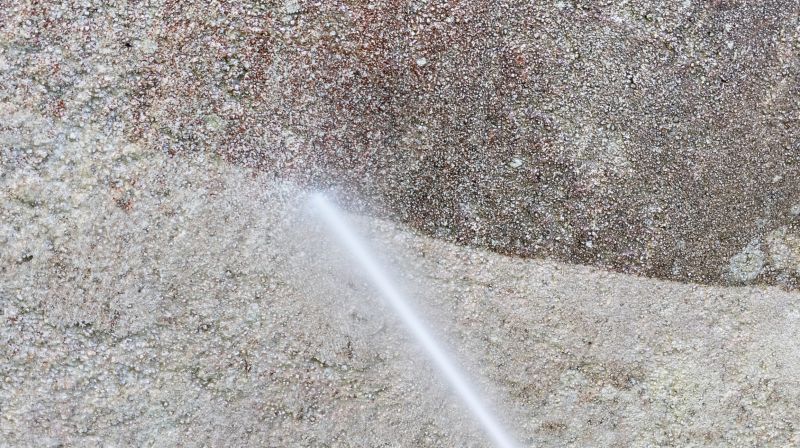
Spring cleaning with power washing removes winter grime effectively.
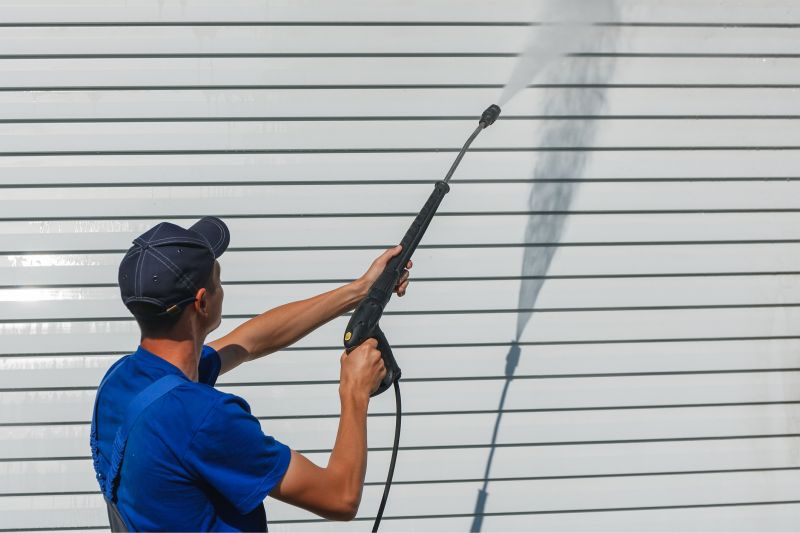
Warm weather ensures quick drying and optimal cleaning results.
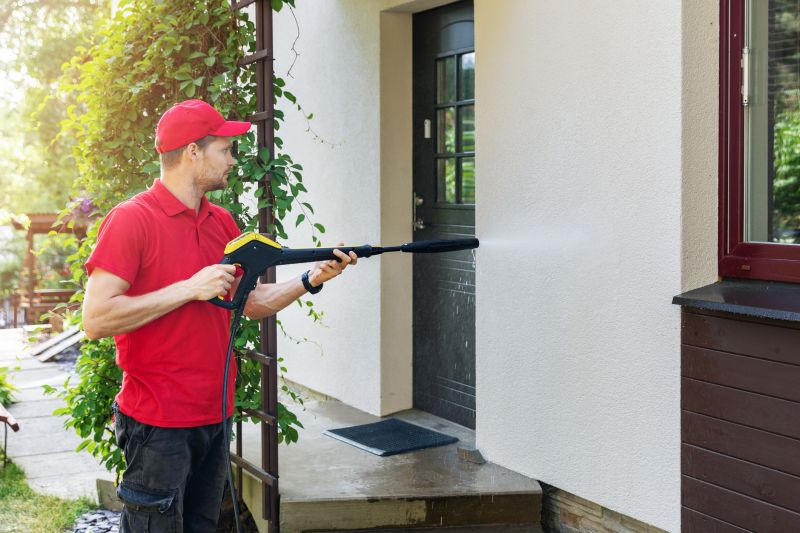
Prepares surfaces for winter by removing debris and mold.
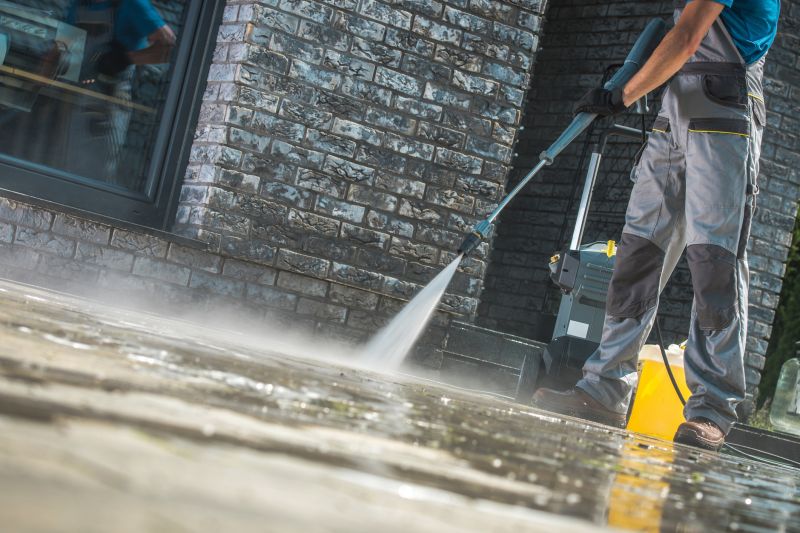
Ways to make Power Washings work in tight or awkward layouts.
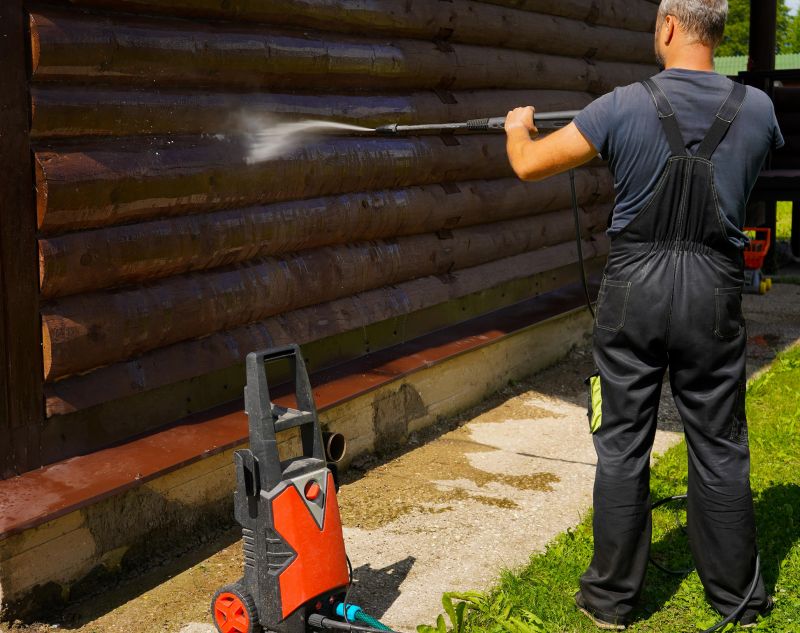
Popular materials for Power Washings and why they hold up over time.
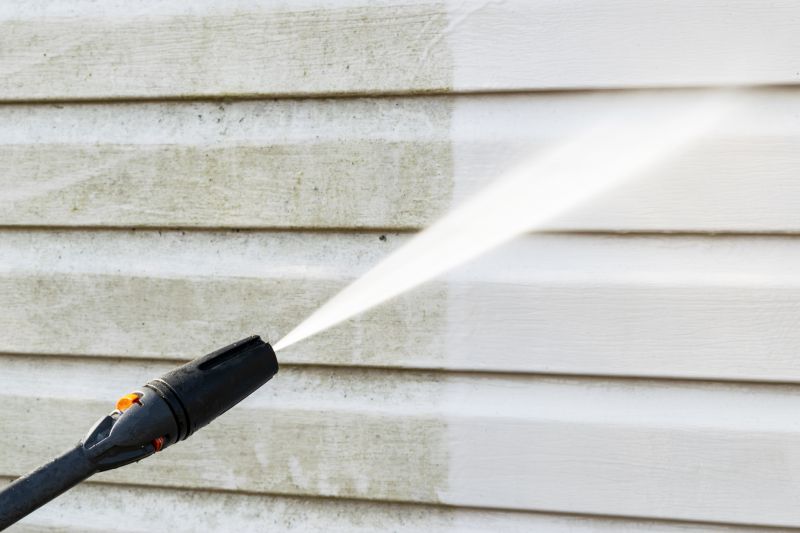
Simple add-ons that improve Power Washings without blowing the budget.
| Season | Recommended Time |
|---|---|
| Spring | March to May |
| Summer | June to August |
| Fall | September to November |
| Winter | Not recommended |
Power washing is a highly effective method for cleaning exterior surfaces, including siding, decks, driveways, and sidewalks. It uses high-pressure water streams to remove dirt, grime, algae, and other buildup. Regular power washing can extend the lifespan of surfaces, improve curb appeal, and maintain property value. Statistics indicate that properly maintained exteriors can last significantly longer and require fewer repairs over time.
Timing power washings appropriately ensures optimal results. Performing cleaning during suitable weather conditions prevents issues such as water freezing or surfaces remaining wet for extended periods, which can lead to damage or mold growth. It is recommended to schedule power washings during periods of mild, dry weather to maximize effectiveness and surface longevity.